Why You Feel More Anxious in the Spring (Even When You’re Supposed to Feel Better)
Originally published: April 14, 2026 • Updated: September 2026
Here’s the Gist
“Spring anxiety” is not a diagnosis. It is a useful way to describe noticing more anxiety, restlessness, irritability, or feeling off when the season changes.
Spring changes a lot at once: daylight, sleep schedules, routines, social plans, kids’ schedules, yard work, travel, and the general expectation that everyone should suddenly want to do more.
If you already struggle with anxiety, all of that change can give your worry plenty of new material.
Trauma may be relevant if spring brings specific reminders of what happened or if stress makes patterns like avoidance, overworking, control, or staying constantly busy louder.
There is also a less common spring/summer pattern of Seasonal Affective Disorder, but that is a form of depression with a recurring seasonal pattern, not simply “spring anxiety.”
You Thought You Were Supposed to Feel Better
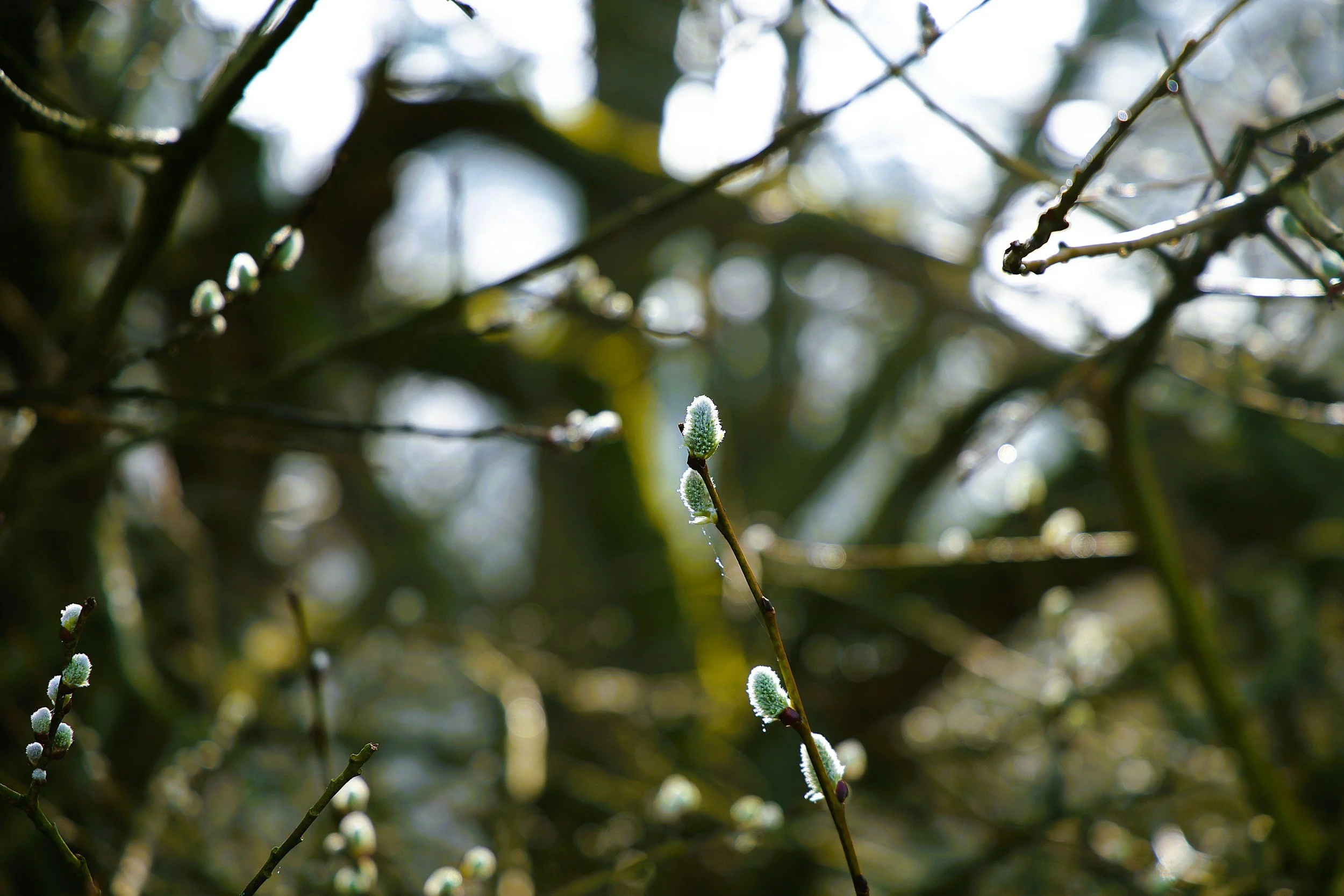
Spring has pretty good marketing. The weather finally improves. It stays light later. People start going outside again. The flowers show up. Everyone talks about how nice it is to finally be out of winter. So when you feel worse, it can be confusing.
Maybe you are more restless. You are sleeping worse. Your patience is shorter. Your mind feels busier. You suddenly have seventeen things you want to get done and somehow feel behind on all of them.
And then comes the second thought: Why am I feeling like this? Things are supposed to be better now. That part can make the whole thing more annoying because now you are anxious and evaluating whether you have a good enough reason to be anxious.
You do not need spring to be objectively terrible before you are allowed to notice that something changed. But I also do not want to make spring sound like a mental-health event by itself. The better question is: What changed for me when the season changed? That gives us somewhere much more useful to start.
What Spring Anxiety Can Look Like
Spring anxiety doesn’t always show up in obvious ways. It’s not always panic attacks or intense fear. More often, it looks like a shift in your baseline.
Maybe you notice:
feeling more restless than usual
having a harder time sitting still when nothing is actually urgent
getting irritated faster
sleeping differently or waking up earlier
thinking about everything you need to get done at once
feeling pressure to be more social or active
overcommitting because suddenly the calendar is full again
feeling vaguely “off” without a clear explanation
thinking, I should be enjoying this more than I am
For men, it may sound less like: I’m having seasonal anxiety and more like:
I don’t know what my problem is lately.
I just feel keyed up.
I’ve got a million things I need to get done.
Everybody wants to do something every weekend.
I should feel better now that winter is over, but I don’t.
That is useful information, it is not a diagnosis.
Spring Changes More Than the Weather

One reason spring can feel different is pretty straightforward: your life may actually be different. The days get longer. Kids’ schedules change. Sports start. Yard work comes back. People make more plans. Vacations start getting discussed. Work may have its own seasonal demands. Suddenly weekends that were relatively empty in January have three different things happening. None of those changes has to be bad.
But positive change still takes time, planning, attention, and energy. That is particularly noticeable if you are someone who likes predictability or gets anxious when you feel behind. You may not be thinking: Spring makes me anxious. You may be thinking: I have no idea how we are supposed to get all of this done. That is a much more concrete problem.
More Daylight Can Also Change Your Sleep
Longer days can change when you get sleepy and when you wake up. Some people love that. Other people notice their sleep gets a little weird when the seasons shift. And poor sleep can make almost everything harder: patience, concentration, worry, irritability, and your ability to deal with a stressful day without feeling completely over it. There is also a less common spring/summer pattern of Seasonal Affective Disorder. NIMH notes that summer-pattern SAD can include insomnia, restlessness, agitation, and anxiety. Researchers are still working out exactly why this happens, and summer-pattern SAD is much less common than the winter pattern. That is different from: I feel a little more anxious every April. Seasonal Affective Disorder is a form of depression with a recurring seasonal pattern and significant symptoms. It is not a catch-all explanation for feeling off when the weather changes.
Spring Comes With a Weird Amount of Pressure to Be Doing Something
Winter gets permission to be slow. Spring does not. Once the weather gets nice, suddenly there is this idea that you should be outside, exercising, socializing, fixing the yard, traveling, taking the kids somewhere, cleaning the house, starting a project, and generally taking advantage of the beautiful day. And listen, maybe you want to do those things. Great. But you do not have to turn every 72-degree Saturday into a performance review.
Sometimes the pressure is not: I’m anxious because it is spring. It is: There are now twelve things I could be doing and somehow I feel guilty about whichever eleven I am not doing. That sounds a lot more familiar to some high-functioning men. So rather than trying to calm yourself down because the season is “activating,” look at what you are actually asking of yourself. You may have simply created an impossible spring schedule.
Your Routine May Be Changing More Than You Realize
Some men do really well with structure. You know where you need to be, what comes next, when you work, when you exercise, when you have downtime. Then spring adds baseball practice, graduation parties, trips, house projects, more social invitations, later evenings, and whatever else your family has managed to put on the calendar. If routine helps you function, losing some of it can absolutely make life feel messier. That does not mean change is inherently threatening. It means the system you normally use to organize your life is getting interrupted. So ask: What part of my routine actually helps me?
Maybe regular sleep makes a huge difference.
Maybe you need one night a week where nothing is scheduled.
Maybe exercise matters.
Maybe you are at your best when you have some idea what the weekend is going to look like before Friday afternoon.
Keep the useful pieces. You do not need to preserve every routine exactly as it was in January.
When Trauma Actually Is Part of the Spring Pattern
Having trauma does not mean every seasonal change is going to bother you more. I would look for an actual connection. Maybe something traumatic happened in the spring. A particular smell, place, holiday, anniversary, type of weather, or activity reminds you of it. Maybe warmer weather means returning to a place or activity you have been avoiding. Maybe family gatherings increase and one of those relationships is connected to what happened. Maybe staying busy becomes easier again, which gives you plenty of opportunities to keep thoughts or memories at a distance. Or maybe the season has nothing to do with the trauma and you are simply stressed because your calendar exploded. Both are possible.
Rather than assuming: My trauma is being activated by spring
Ask: What specifically is happening more often right now, and does it actually connect to what happened?
If the answer is yes, now trauma is relevant. If the answer is no, we do not have to force it in.
If This Happens Every Spring, Get Curious About What Actually Repeats
If you notice the same thing every March or April, pay attention.
What repeats?
Is your sleep changing?
Does work get busier?
Do your kids’ schedules suddenly become ridiculous?
Do you start saying yes to everything?
Do you feel pressure to exercise, socialize, fix the house, and generally become a more impressive person because it is sunny outside?
Is there an anniversary or reminder connected to trauma?
Does your mood change in a much bigger, more persistent way?
The fact that something repeats gives you a clue. Then we still have to figure out what the clue points to.
The Treatment Depends on What the Problem Actually Is
If you are generally anxious and worrying about everything from work to money to your kids to whether the noise your car made yesterday means the transmission is about to fall out, anxiety-focused treatment may make sense. If your sleep got thrown off when the days changed, fixing the sleep problem may be far more useful than looking for a trauma explanation. If you are overwhelmed because your family has scheduled something every night this week, the answer may be looking at the calendar and saying: This is too much. And if what is showing up is clearly connected to trauma, then trauma treatment has a specific job.
Cognitive Processing Therapy (CPT) can help when trauma has affected beliefs about responsibility, safety, trust, control, or yourself.
Prolonged Exposure (PE) may help when PTSD-related avoidance is limiting situations, memories, places, or experiences you want to be able to approach.
Narrative Exposure Therapy (NET) may be useful when multiple traumatic experiences have shaped how you understand yourself and your life.
We do not need to use trauma treatment to treat the fact that April got busy. We use trauma treatment when trauma is actually the problem.
Before You Try to Fix Spring Anxiety, Figure Out What Changed
Is Your Calendar the Problem?
Look at what you agreed to. Not everything needs to stay on the schedule just because technically there is enough room for it.
Is Your Sleep Different?
Maybe you are staying up later because it stays light later. Maybe kids are up later. Maybe your routine changed. If you are sleeping worse, start there before developing an elaborate theory about your mental health.
Are You Putting Pressure on Yourself to “Take Advantage” of Spring?
You do not have to use every nice day correctly. Sometimes you can sit inside while the sun is shining. The weather will survive.
Are You Avoiding Something?
Maybe you are staying constantly busy because there is something you do not want to think about or deal with. That deserves a different response than: I just need better time management.
Is This a Bigger Mood Change?
If you repeatedly notice substantial changes in mood, sleep, energy, appetite, agitation, or functioning tied to a particular season, that deserves a closer look with a qualified health professional. Seasonal Affective Disorder can occur in a spring/summer pattern, although it is less common than winter-pattern SAD.
Spring Does Not Automatically Mean You Should Feel Great
Spring might be your favorite season. It might also make your schedule busier, mess with your sleep, bring up an anniversary, put more people in your calendar, or remind you of seventeen projects you ignored all winter. You are allowed to notice that without turning it into: Something must be wrong with me. At the same time, if you feel significantly worse every spring, do not automatically shrug and wait for June either. Pay attention to what actually changes.
Is it your schedule?
Your sleep?
Your expectations?
Your mood?
Your avoidance?
A trauma reminder?
Once you know what problem you are dealing with, you have a much better chance of doing something useful about it. Spring itself probably is not the diagnosis. It may just be the time of year when the pattern becomes easier to see.
FAQs About Spring Anxiety
-
No. “Spring anxiety” is not a formal mental-health diagnosis.
It is a useful phrase for noticing that anxiety, restlessness, irritability, sleep problems, or feeling generally off seem to increase when spring arrives.
The next step is figuring out why that seems to be happening for you.
-
Because better weather does not necessarily mean your life got easier.
Your schedule may change, social plans may increase, sleep may shift with longer days, and you may feel more pressure to be active or productive.
For some people there may also be a recurring seasonal mood pattern. The explanation is not the same for everyone.
-
Yes, although it is less common than winter-pattern SAD.
NIMH describes a spring/summer pattern that can include insomnia, restlessness, agitation, and anxiety along with depressive symptoms. SAD is a form of depression with a recurrent seasonal pattern, not simply feeling more anxious for a few weeks when the weather changes.
-
They can if the season contains reminders connected to what happened.
Maybe there is an anniversary, a particular place you return to, a smell, weather pattern, event, or activity associated with the trauma.
But I would look for that actual connection rather than assuming seasonal anxiety automatically means trauma.
-
When the problem is persistent, significantly affecting your life, or part of something larger that keeps repeating.
What kind of therapy makes sense depends on what is actually happening. General anxiety, a seasonal mood problem, sleep disruption, trauma, and an overloaded calendar are not the same problem and should not automatically get the same treatment.
If spring seems to bring up more than a busier calendar and you notice trauma-related memories, avoidance, guilt, or old beliefs getting louder again, it may be worth looking at the trauma directly.
I specialize in evidence-based trauma therapy for men using Cognitive Processing Therapy, Prolonged Exposure, and Narrative Exposure Therapy. If trauma seems to be part of what keeps showing up, schedule a free consultation call and we can talk about whether trauma treatment makes sense.
Explore related topics:
| Trauma & PTSD | Trauma Therapy | Stress & Anxiety | Guilt & Shame |Life Transitions | Relationships & Connection |
About the Author
Brittany Shannon, Ph.D., is a trauma therapist for men with more than 10 years of experience. She trained in the VA system, working with veterans at both outpatient and residential levels of care, and brings that expertise into her private practice today. Based in Kentucky, Dr. Shannon offers virtual therapy across all 43 PSYPACT states, specializing in trauma recovery, PTSD treatment, and men’s mental health. Her work focuses on helping men heal from painful experiences, break free from survival mode, and move forward with clarity and confidence.

You don’t have to keep pushing through this on your own.