Navigating Valentine’s Day with Relationship Trauma
Originally published: March 2, 2026 • Updated: September 2026
Here’s the Gist
Valentine’s Day can put a giant spotlight on relationships. If love, trust, sex, rejection, or betrayal have been complicated for you, that spotlight may not feel particularly romantic.
A difficult breakup or betrayal can hurt deeply without automatically being trauma or PTSD. Some experiences within relationships, including abuse, coercion, sexual violence, or stalking, can be traumatic.
A holiday can also remind you of something specific that happened before. The reminder is real, but it does not automatically tell you anything about the relationship you are in now.
If you are partnered, Valentine’s Day does not need to become an annual test of how good your relationship is. If you are single, it does not need to become a test of your worth.
The useful question is not whether you are reacting to Valentine’s Day “correctly.” It is what the day is bringing up and whether an old experience is still affecting how you approach relationships now.
Valentine’s Day Can Feel Like a Relationship Report Card
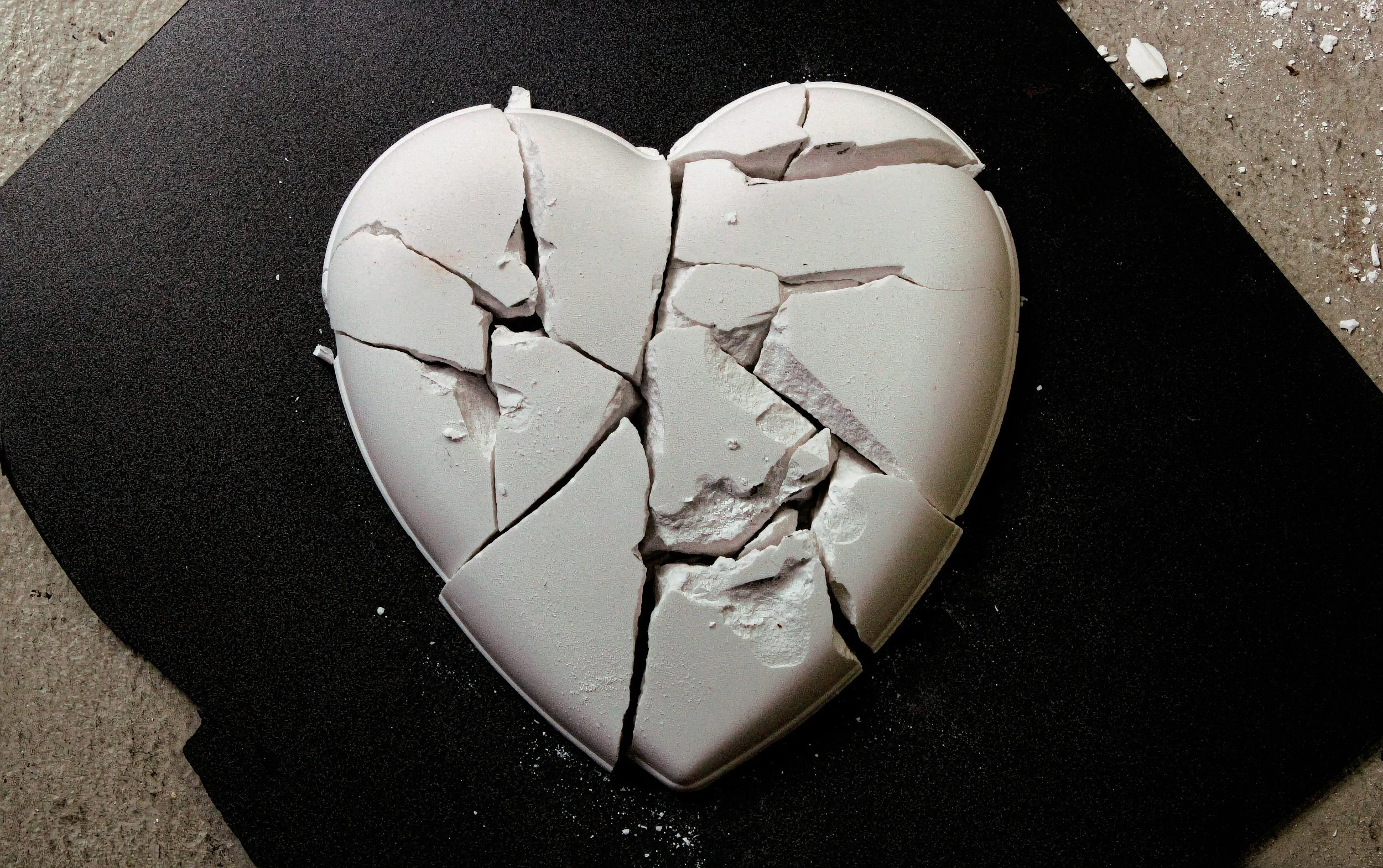
Valentine’s Day is supposedly pretty simple. Buy something thoughtful, make dinner reservations, say something romantic, enjoy each other, done.
Except relationships are rarely that simple.
If you are partnered, the day can start feeling like an annual evaluation of how romantic you are, how romantic your partner is, whether the relationship is going well, and whether the two of you are doing Valentine’s Day correctly compared with everyone else.
If you are single, divorced, grieving a relationship, or coming out of something painful, February 14 can feel like the entire culture decided to point at the exact part of your life you would rather not have evaluated.
And if something harmful happened in a past relationship, the date itself may carry specific associations. Maybe you discovered an affair around this time. Maybe a previous Valentine’s Day ended in humiliation, coercion, violence, or a breakup. Maybe this was simply a holiday where you repeatedly learned that closeness came with consequences.
All of those experiences are different, which is important.
The question is not: Why am I so triggered by Valentine’s Day?
Start with something more specific: What exactly does this day bring up for me?
That gives us something we can actually work with.
Not Every Painful Relationship Experience Is Trauma
I want to be careful with the phrase relationship trauma because it gets used very broadly online. A relationship can hurt you without necessarily causing PTSD. Someone cheating on you can be devastating. Divorce can change your life. Rejection can make you question yourself. A relationship can be chronically disappointing, lonely, or unhealthy. Those experiences matter even if we never call them trauma.
There are also experiences inside intimate relationships that can absolutely be traumatic. Intimate-partner violence can include physical or sexual violence, stalking, threats, coercive or controlling behavior, and psychological abuse. Men experience IPV too, although talking about it can carry its own stigma. So throughout this article, when I talk about relationship trauma, I am not saying: My relationship ended and therefore I have trauma.
I am talking about relationship experiences that were traumatic or significantly harmful and that continue affecting how you understand trust, closeness, control, sex, safety, or yourself. That distinction matters because the treatment should match the problem.
Why Valentine’s Day Can Bring Old Relationship Experiences Back to Mind
Valentine’s Day creates a lot of reminders at once. There are cards, restaurant reservations, social-media posts, discussions about relationships, romantic expectations, and questions about whether you are seeing anyone. If something significant happened around this holiday before, some of those reminders may connect pretty directly to the memory. That is not mysterious. PTSD symptoms can be triggered by situations, objects, thoughts, or other reminders associated with a traumatic event. But reminders do not always mean PTSD either.
Maybe seeing everybody else’s Valentine’s Day posts reminds you that your marriage ended. Of course that may feel lousy. Maybe your partner plans something sweet and you suddenly think about the person who betrayed you. Maybe February 14 was the anniversary of discovering something you wish you had never discovered. The useful part is identifying what the present situation is reminding you of rather than assuming every uncomfortable response means something deeper is wrong.
Valentine’s Day Makes Comparison Really Easy
This holiday is unusually good at creating a standard nobody agreed to. Flowers should arrive. Dinner should be romantic. Your partner should know exactly what you want without asking. The gift should be meaningful but not predictable. You should look happy in the picture.
Meanwhile, someone on Instagram apparently booked a private villa in Italy. You are comparing your actual relationship, complete with jobs, children, dirty dishes, disagreements, money, exhaustion, and history, with a photograph someone chose because it looked good. That is not useful information about the quality of your relationship. Valentine’s Day also creates pressure in the other direction. If you are single, it can be very easy to start translating: I do not have a partner right now into: Something about my life is behind. Those are different statements.
The holiday can show you what you want. Maybe you genuinely want a relationship. Maybe you wish your current relationship felt closer. Maybe you are still hurt by something that happened. Fine. Use that information. You do not need February 14 to issue a verdict on your entire romantic life.
Men Can Be Hurt in Relationships Too
There is still a tendency to talk about men primarily as the people who cause harm in relationships rather than people who can also experience it. Both realities exist. Men can experience physical violence, sexual violence, stalking, coercive control, humiliation, manipulation, and psychological abuse from an intimate partner. The National Center for PTSD specifically notes that IPV occurs across genders and that men may face additional stigma when trying to acknowledge or discuss psychological abuse. That stigma matters.
A man may have trouble describing what happened because he does not think it “counts.” Maybe nobody hit him. Maybe the other person was smaller than he was. Maybe he believes he should have been able to stop it. Maybe admitting how badly the relationship affected him feels humiliating. Those questions can make it harder to accurately evaluate what happened. You do not need to exaggerate an experience to take it seriously. And you do not need to minimize something harmful because you are a man.
Pay Attention to What You Start Expecting
Past relationships can affect what you expect from current ones. After betrayal, maybe you find yourself looking for evidence that another person is lying. After repeated criticism, maybe a partner’s disappointment immediately feels much bigger than disappointment. After coercion or abuse, maybe saying no in a new relationship carries more weight than it does for someone without that history. After being blindsided by the end of a relationship, maybe you start thinking: If I pay enough attention, I will never be surprised again. Those patterns make more sense when we look at the belief underneath them rather than simply calling them “attachment wounds.” The question becomes: What am I expecting will happen here? Then: What evidence do I have about this person and this situation? Sometimes your current partner is behaving very differently from the person who hurt you. That deserves to count. And sometimes your current partner is actually giving you reasons not to trust them. That deserves to count too. A trauma history should never become an automatic explanation for legitimate concerns about what is happening now.
If the Current Relationship Is Harmful, That Is Not an “Attachment Issue”
This distinction matters enough to say directly.
If your current partner humiliates you, controls where you go, threatens you, coerces you sexually, isolates you from other people, stalks you, physically harms you, or routinely uses fear to control your behavior, the answer is not simply: I need to work on trusting more. Those are relationship behaviors that deserve to be evaluated on their own. The National Center for PTSD includes physical violence, sexual violence, psychological abuse, threats, stalking, and controlling behavior within intimate-partner violence.
Your history may affect how you interpret relationships.
It does not require you to explain away what someone is actually doing to you now. There is a major difference between: This person has consistently treated me well and I am still expecting betrayal and This person continues behaving in ways that make trust difficult. Treatment should never erase that distinction.
Decide What You Actually Want From the Day
Valentine’s Day does not need to mean the same thing to everybody. If you are in a relationship, maybe you want a nice dinner. Great. Maybe both of you think Valentine’s Day is mostly ridiculous and would rather order pizza. Also fine. Maybe the holiday matters to your partner more than it matters to you, which means there is probably a conversation worth having instead of hoping you both magically arrive at the same expectation.
If you are single, maybe you genuinely do not care about the holiday. You do not need to manufacture distress because an article told you Valentine’s Day is emotionally significant. And if you do care, you do not have to pretend otherwise.
The useful question is: What would make this day consistent with the life and relationships I actually value?
Maybe that means planning something with your partner. Maybe it means telling them the day is complicated for you instead of becoming distant and hoping they figure it out. Maybe it means not spending three hours comparing your life with other people’s relationships online. You do not need to make the day perfect. You need to stop letting everybody else decide what it is supposed to mean.
Do Not Use Valentine’s Day to Test Your Relationship
People sometimes turn holidays into secret tests.
If she really knows me, she’ll know what I want.
If he really cares, he’ll plan something.
If our relationship were better, this would feel more romantic.
Then nobody tells the other person what the test is. That is not particularly fair or informative. If something matters to you, say it.
I’d really like us to go out this year.
I don’t want gifts, but I would like some time together.
This holiday is harder for me than I usually admit.
I’m not looking for anything elaborate.
Clear information gives another person an opportunity to respond. A secret test mostly gives you an opportunity to feel disappointed.
Being Single on Valentine’s Day Is Not a Diagnosis
Maybe you are single because you want to be.
Maybe you are dating.
Maybe you recently got divorced.
Maybe you want a relationship and have not found the right one.
Maybe you are not ready for one yet.
Those situations are not interchangeable. Valentine’s Day has a strange ability to compress all of them into: Everyone else has somebody and I don’t. That can hurt, particularly if connection is something you genuinely want. But being single right now does not tell us whether you are lovable, whether you failed at relationships, or whether something is wrong with you. If you notice yourself drawing a much bigger conclusion from the holiday, slow the conclusion down. What does being single today actually tell me? Usually far less than your mind is trying to make it mean.
When Trauma Treatment Actually Makes Sense
You do not need trauma therapy because an ex cheated on you or because Valentine’s Day makes you sad. Trauma treatment becomes relevant when you have experienced a traumatic event and the symptoms connected to it are still affecting your life. That might include unwanted memories or nightmares, avoiding reminders of what happened, feeling persistently on guard, significant guilt or shame, or changes in how you think about yourself and other people. Those are among the symptom areas associated with PTSD. If a past abusive or violent relationship resulted in PTSD, evidence-based trauma treatment can address those symptoms. The National Center for PTSD notes that front-line PTSD treatments have been studied with survivors of past intimate-partner violence.
Cognitive Processing Therapy (CPT) can be particularly useful when what happened changed beliefs about trust, responsibility, safety, control, intimacy, or yourself.
Prolonged Exposure (PE) may help when PTSD-related avoidance has begun determining which people, places, conversations, memories, or experiences you are willing to approach.
Narrative Exposure Therapy (NET) may be useful when multiple traumatic experiences across your life have shaped the way you understand yourself and what happened to you.
The goal is not to make you love Valentine’s Day. It is to treat the trauma that continues influencing your life whether February 14 is on the calendar or not.
The Person in Front of You Is Not Automatically the Person Who Hurt You
Past relationships matter because they give you information. The problem comes when old information becomes the only information allowed into the room. Someone betrayed you before. That matters. Does this person behave like someone who is betraying you? Someone punished you for saying no. That matters. What happens when you say no now? Someone made you feel like affection could disappear without warning. That matters. What has your current relationship shown you over time? Sometimes the evidence will tell you that the person in front of you is different. Sometimes it will tell you that your concern is warranted. Either way, the goal is greater accuracy, not blind trust.
Valentine’s Day may make some of these questions louder because relationships are suddenly everywhere you look. That does not mean you need to solve your entire relationship history before February 15. Pay attention to what comes up, look at what is happening now, and decide whether an old experience is still having more influence over your relationships than you want it to. That is enough information to decide what deserves your attention next.
FAQs About Valentine’s Day and Relationship Trauma
-
It can if something about the holiday acts as a reminder of a traumatic experience. PTSD symptoms can be triggered by situations, objects, thoughts, or other reminders associated with what happened.
That does not mean feeling sad, irritated, lonely, or disappointed on Valentine’s Day automatically indicates PTSD.
-
Betrayal can be profoundly painful and can change how someone thinks about trust and relationships, but painful does not automatically mean PTSD.
Whether someone has PTSD depends on the nature of what happened and the symptoms that followed. You do not need to call an experience trauma for the hurt to be legitimate.
-
Absolutely. Men can experience intimate-partner violence, including physical or sexual violence, stalking, psychological abuse, threats, and coercive or controlling behavior. Men may also encounter stigma that makes acknowledging those experiences harder.
-
Look at current evidence.
Does the person follow through? Tell the truth? Respect boundaries? Take responsibility? Keep information private? Does their behavior match what they say?
Your past matters, but so does what this particular person repeatedly does.
-
It can help when PTSD symptoms or trauma-related beliefs are contributing to the relationship problem.
Trauma therapy is not general relationship counseling, though. Cognitive Processing Therapy, Prolonged Exposure, and Narrative Exposure Therapy are intended to address trauma and PTSD-related problems, not every disagreement, breakup, or difficulty with dating.
If a past relationship involved trauma and you notice that what happened is still affecting trust, closeness, sex, avoidance, or how you see yourself in relationships now, trauma treatment may be worth considering.
I specialize in evidence-based trauma therapy for men using Cognitive Processing Therapy, Prolonged Exposure, and Narrative Exposure Therapy. If you want to figure out whether trauma is part of what keeps following you into current relationships, schedule a free consultation call and we can talk about whether trauma treatment makes sense.
Explore related topics:
| Trauma & PTSD | Trauma Therapy | Stress & Anxiety | Guilt & Shame |Life Transitions | Relationships & Connection |
About the Author
Brittany Shannon, Ph.D., is a trauma therapist for men with more than 10 years of experience. She trained in the VA system, working with veterans at both outpatient and residential levels of care, and brings that expertise into her private practice today. Based in Kentucky, Dr. Shannon offers virtual therapy across all 43 PSYPACT states, specializing in trauma recovery, PTSD treatment, and men’s mental health. Her work focuses on helping men heal from painful experiences, break free from survival mode, and move forward with clarity and confidence.

You don’t have to keep pushing through this on your own.
Explore related topics:
| Trauma & PTSD | Trauma Therapy | Stress & Emotional Regulation | Guilt & Shame |Life Transitions & Habits | Relationships & Connection |