Chronic Stress and the Body: Why You Feel Tense, Exhausted, and Always On Edge
Here’s the Gist
Chronic stress keeps your nervous system in a prolonged state of activation, making it hard for your body to fully relax.
Physical symptoms like tension, fatigue, poor sleep, and irritability are not random. They are signs your system is adapting to ongoing stress.
Many men experience stress physically rather than emotionally, which can make it harder to recognize what’s happening.
Over time, chronic stress can lead to burnout, emotional numbness, and difficulty regulating reactions.
Therapy for stress helps with nervous system regulation, recovery, and understanding the patterns keeping stress in place.
When Stress Starts to Feel Normal
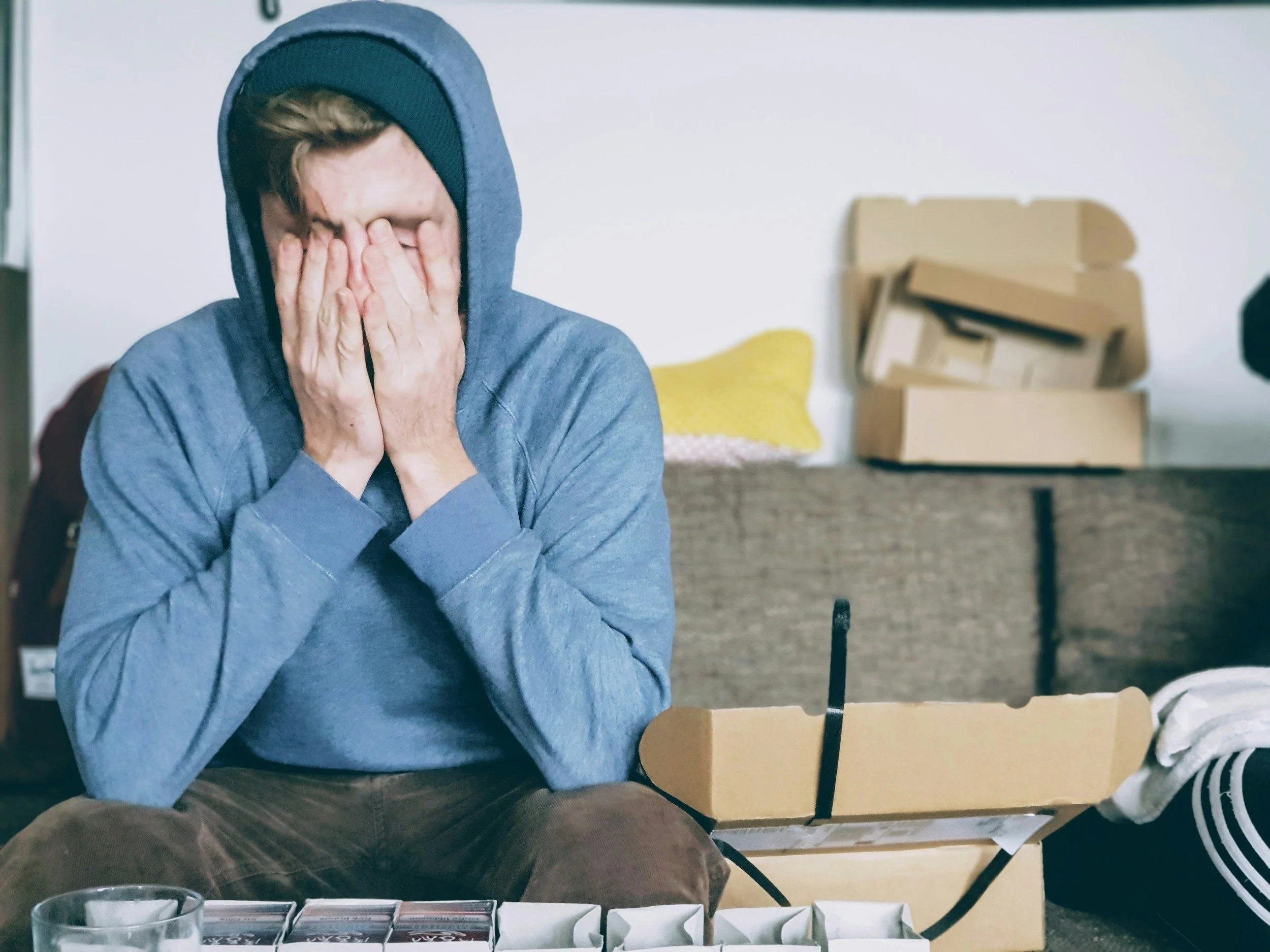
At a certain point, stress stops feeling like a problem and starts feeling like the baseline. You wake up already thinking about what needs to get done. Your body feels tight before the day has even started. There’s a constant sense of pressure in the background, even when nothing urgent is happening. It doesn’t feel extreme enough to call it a crisis. But it doesn’t feel settled either. For a lot of men, this becomes “just how things are.” You assume that feeling tense, tired, or mentally overloaded is part of being responsible, part of working hard, part of staying on top of things. So instead of questioning it, you adjust to it. You push through. You stay busy. You keep going. The problem is that your body doesn’t treat chronic stress as neutral, even if you’ve learned to. Over time, that constant pressure starts to show up physically, mentally, and emotionally in ways that are easy to miss until they’re not.
How Chronic Stress Affects the Nervous System
Your body is built to handle stress. That’s not the issue. The issue is how long the stress lasts. The nervous system is designed for short bursts of activation. Something happens, your body mobilizes, and once the situation is resolved, it returns to a baseline state. That cycle works well when stress is temporary. But when stress is constant, the system doesn’t get the signal to come back down. Instead, it stays activated. Not always at full intensity, but enough that your body never fully settles. This is what people mean when they talk about stress and the nervous system being “stuck on.”
What “Always On” Actually Feels Like
This doesn’t usually feel like panic. It feels more like a steady undercurrent of tension. You might notice:
Your body feels tight, even when you’re not actively stressed
Your mind is always scanning for what’s next
It’s hard to fully relax, even during downtime
You feel more reactive than you used to
Your system is not in crisis mode. But it’s not in recovery mode either. It’s in between. And staying in that state for long periods of time takes a toll.
Why It’s Hard to Turn Off
When your system has been operating this way for a while, it starts to feel normal. So when you try to slow down, it doesn’t always feel good. It can feel:
Restless
Uncomfortable
Like something is missing
This is where people assume they’re “bad at relaxing.” What’s actually happening is your system has adapted to a higher level of activation. Slowing down isn’t familiar, so it doesn’t feel natural right away.
Physical Symptoms of Chronic Stress
This is where a lot of men first notice something is off. Not emotionally. Physically. Because for many men, stress doesn’t show up as “I feel anxious.” It shows up in the body.
Common Physical Signs
Chronic stress can look like:
Ongoing muscle tension, especially in the shoulders, neck, or jaw
Fatigue that doesn’t fully resolve with rest
Difficulty falling or staying asleep
Headaches or migraines
Digestive issues or changes in appetite
Increased heart rate or feeling “on edge”
Getting sick more often or taking longer to recover
These symptoms can feel disconnected from stress at first.
You might assume:
You just need better sleep
You need to work out more
Something physical must be wrong
And while those things can help, they don’t address what’s driving the pattern.
Emotional and Behavioral Spillover
Even if stress shows up physically first, it doesn’t stay contained there. Over time, you may also notice:
Increased irritability or a shorter fuse
Difficulty focusing or staying present
Pulling back from relationships
Feeling numb or disconnected instead of overwhelmed
A tendency to stay busy to avoid slowing down
This is where chronic stress starts to impact more than just your body. It starts to affect how you think, how you respond, and how you show up.
Why Men Often Miss It
Men are often socialized to focus on action, problem-solving, and performance. There’s less emphasis on identifying or talking about internal states. So instead of recognizing stress as stress, it gets interpreted as: “I’m just tired.” “I’ve got a lot going on.” “I need to push through this.” Which makes sense. But it also delays addressing what’s actually happening.
How Therapy Helps With Chronic Stress and Burnout Recovery
This is where a lot of people try to fix the problem on their own. They adjust their schedule. They try to take breaks. They look for ways to “manage stress.” Those strategies can help. But if the underlying pattern doesn’t shift, the stress tends to return. Therapy works at a different level.
Nervous System Regulation
The goal is not to eliminate stress entirely. That’s not realistic. The goal is to help your system:
Recognize when it’s activated
Return to baseline more effectively
Spend less time in that constant “in between” state
This is what nervous system regulation actually looks like in practice. Not forcing yourself to relax. But building the ability to come down from activation.
Understanding What’s Driving the Stress
Chronic stress is often maintained by patterns that have been in place for a long time. These might include:
Constant pressure to perform
Difficulty setting boundaries
A tendency to stay in motion instead of slowing down
Beliefs about responsibility, control, or productivity
Therapy helps you identify those patterns clearly. Not in a vague way, but in a way that makes them easier to work with.
Building Emotional Awareness Without Overcomplicating It
For many men, emotional awareness doesn’t come naturally. And it doesn’t need to become overly complicated. The goal is to be able to:
Recognize what you’re feeling
Understand how it connects to your stress level
Respond to it in a way that actually helps
This reduces the need for the body to carry all of the stress on its own.
Supporting Sustainable Burnout Recovery
Burnout recovery is not just about taking time off. It’s about changing the conditions that led to burnout in the first place. That includes:
How you respond to pressure
How you pace yourself
How you handle expectations
Without that shift, rest becomes temporary. With it, things start to feel more sustainable.
What This Starts to Change Over Time
When chronic stress begins to shift, the changes are often noticeable in everyday functioning. You may find that:
Your body feels less tense without having to force it
You’re able to focus more clearly
You’re less reactive under pressure
Rest starts to feel more effective
It’s not about becoming completely stress-free. It’s about no longer feeling like your system is stuck in a constant state of pressure.
If This Feels Like Your Baseline
If feeling tense, tired, or constantly “on” has become your normal, it’s worth paying attention to. You don’t have to wait until it turns into something more severe to take it seriously. And you don’t have to figure out how to change it on your own. If you feel stuck in cycles of chronic stress or burnout, it may be time to look at what’s underneath it. Schedule a free consultation call to see if we’d be a good fit to work together.
Explore related topics:
| Trauma & PTSD | Trauma Therapy | Stress & Emotional Regulation | Guilt & Shame |Life Transitions & Habits | Relationships & Connection |
About the Author
Brittany Shannon, Ph.D., is a trauma therapist for men with more than 10 years of experience. She trained in the VA system, working with veterans at both outpatient and residential levels of care, and brings that expertise into her private practice today. Based in Kentucky, Dr. Shannon offers virtual therapy across all 43 PSYPACT states, specializing in trauma recovery, PTSD treatment, and men’s mental health. Her work focuses on helping men heal from painful experiences, break free from survival mode, and move forward with clarity and confidence.

You don’t have to keep pushing through this on your own.